League Against Cruel Sports Values
The League Against Cruel Sports’ decision to leave X should be welcomed.
For a charity founded to oppose cruelty, distancing itself from a platform now associated with abuse, conspiracy theories and increasingly hostile online culture feels like a return to first principles. Many supporters will see the move as overdue and hope other organisations follow.
For once, the League appears to have taken the ethically right decision.
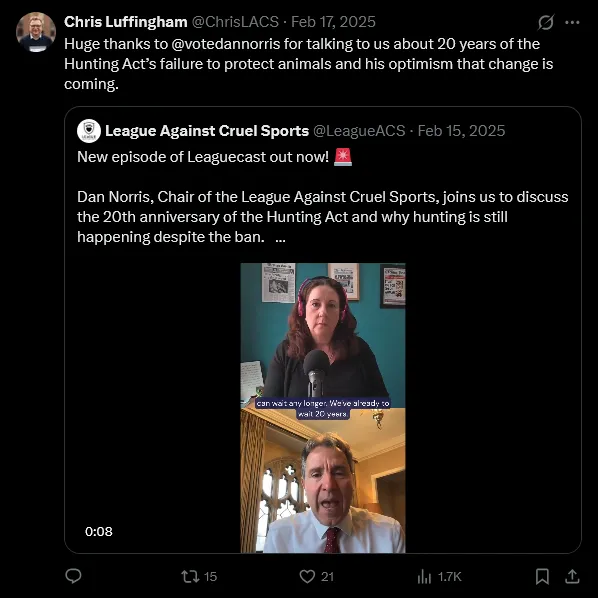
But their announcement leaves an obvious question hanging in the air: what exactly about X no longer aligns with the League’s values?
Because recent history suggests several possible answers can be ruled out.
It cannot simply be hate speech. In recent years, the League’s Acting Chair repeatedly reposted material attacking Muslims, trans people, environmental campaigners, and civilians caught up in the devastation in Gaza. These were not harmless exchanges. They contributed to a climate in which minority groups already facing hostility felt further targeted.
When concerns were raised, the League did not condemn the material. Instead, the organisation investigated and concluded there had been no breach of conduct, effectively allowing the situation to continue.
This matters because online hostility does not stay online. In February 2023, 16-year-old Brianna Ghey was murdered simply for being a transgender girl. At a time when debate around trans lives was already toxic, the League nonetheless saw no problem with its Acting Chair continuing to share material widely viewed as hostile towards that same community.
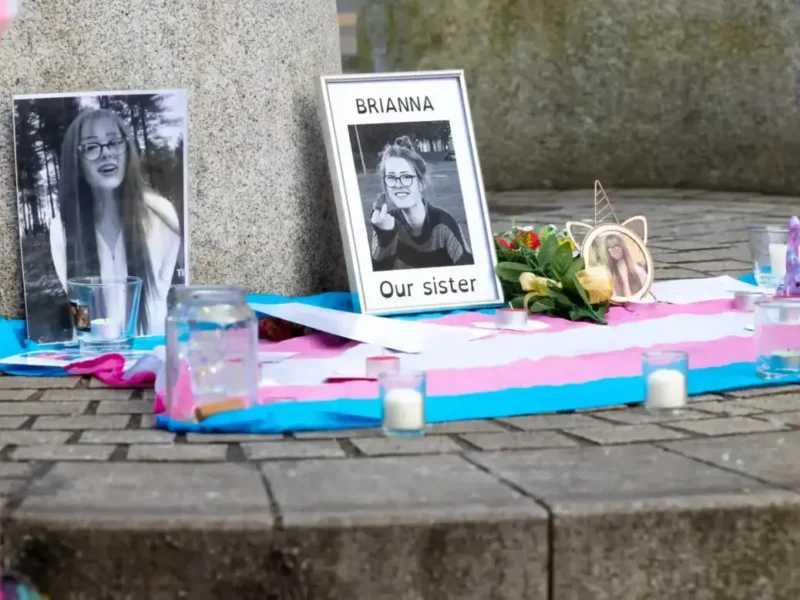
Nor does opposition to far-right talking points explain the League’s sudden change of heart. When reposts drew criticism in 2024, the organisation again found no issue requiring action. In September 2025, the trustee whose posts had prompted concern was nonetheless re-elected, with the backing of senior management and fellow trustees, despite the controversy already being public. Only months later did that trustee leave the board.
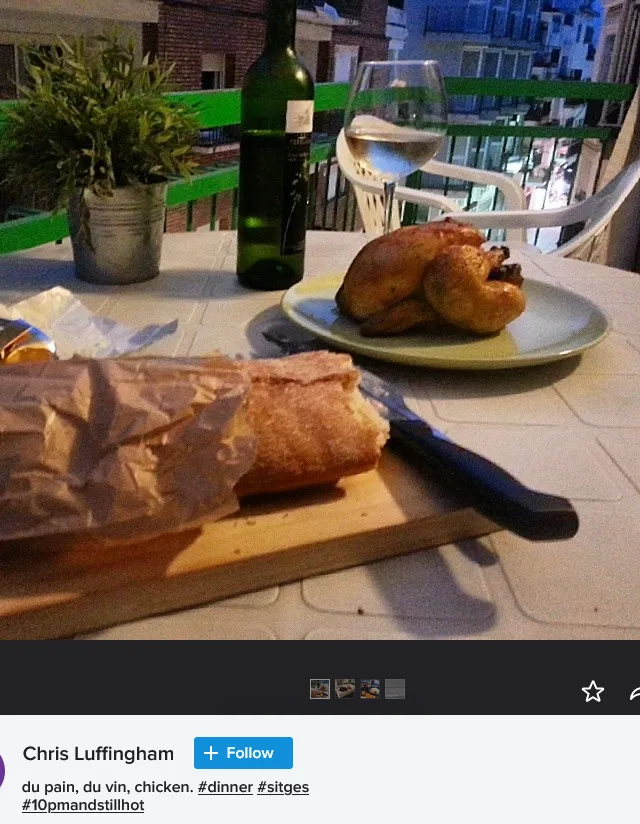
Nor is discomfort at images involving dead animals likely to be the dividing line. The League has criticised others for killing animals and posing with them for photographs. Yet the organisation’s own Deputy CEO — who condemned such imagery — has also posted images on social media of animals he was about to eat, apparently seeing no contradiction between criticising shooters while sharing photographs of dead animals presented as food.
For an animal welfare charity, this raises an obvious question: how does presenting images of animals destined for consumption, given the realities of slaughter behind them, sit comfortably alongside public condemnation of others for posing with animals they have killed?
Adding further confusion, although the League’s official account has now left X, staff accounts and personal accounts of senior figures remain active. Whether fairly or not, this makes the move appear strategic rather than principled to some observers.
None of this changes the fact that leaving X is the correct step. But leaving a platform is easier than confronting uncomfortable questions about culture and leadership.
Ethical values are not demonstrated by a single announcement. They are revealed by how organisations act when criticism is directed inward rather than outward.
So supporters are entitled to ask:
What, exactly, are the League Against Cruel Sports’ values in 2026?
Because withdrawing from X does not, on its own, show a change in standards. It does not address past tolerance of divisive rhetoric. And it does not prevent similar controversies arising again if those responsible face no consequences.
If the League wants this decision to be seen as a genuine ethical shift rather than reputation management, it must show that the standards it demands publicly are applied internally as well — and that behaviour creating fear or division will not be excused simply because it comes from within its own leadership.
Otherwise, supporters may reasonably conclude that while X has changed, the League itself has not.
Animals — and the people who campaign to protect them — deserve better than symbolic gestures. They deserve an organisation prepared to live by the values it claims to defend, even when doing so is uncomfortable.